

Short History of cocoa
: Monday, 8 July, 2019 | BlogPeru: a world center of cacao
Peru isn’t just home to ancient ruins and mountain trails — it’s one of the most important places on Earth for cacao. Studies by international research centers confirm that the Peruvian Amazon holds over 60% of the world’s genetic diversity of cacao, making Peru very likely the true birthplace of Theobroma cacao — the cacao plant itself.
Today, Peru is the 3rd largest exporter of organic cacao in the world, behind only Mexico and Indonesia. Around 90,000 farming families, across 16 regions, grow cacao — mostly on small, family-run farms rather than large plantations. In 2024 alone, Peru exported over 142,000 tons of cacao, worth more than US$1.17 billion.
A rare kind of chocolate
Not all cacao is equal. Experts divide cacao into two broad categories: ordinary cacao, which makes up most of the world’s chocolate, and “fine flavor cacao” — a much rarer category, prized for its complex, distinctive taste. Fine flavor cacao makes up only 5–8% of world production. Peru alone produces 36% of all the fine-flavor cacao in the world — an extraordinary share for one country.
Peru’s cacao-growing regions are usually grouped into three zones: the North (Piura, Cajamarca, Amazonas, San Martín — 43% of national production), the Center (Junín, Pasco, Huánuco, Ucayali — 34%), and the South, home to Cusco (23%).
Cusco’s own variety: cacao chuncho
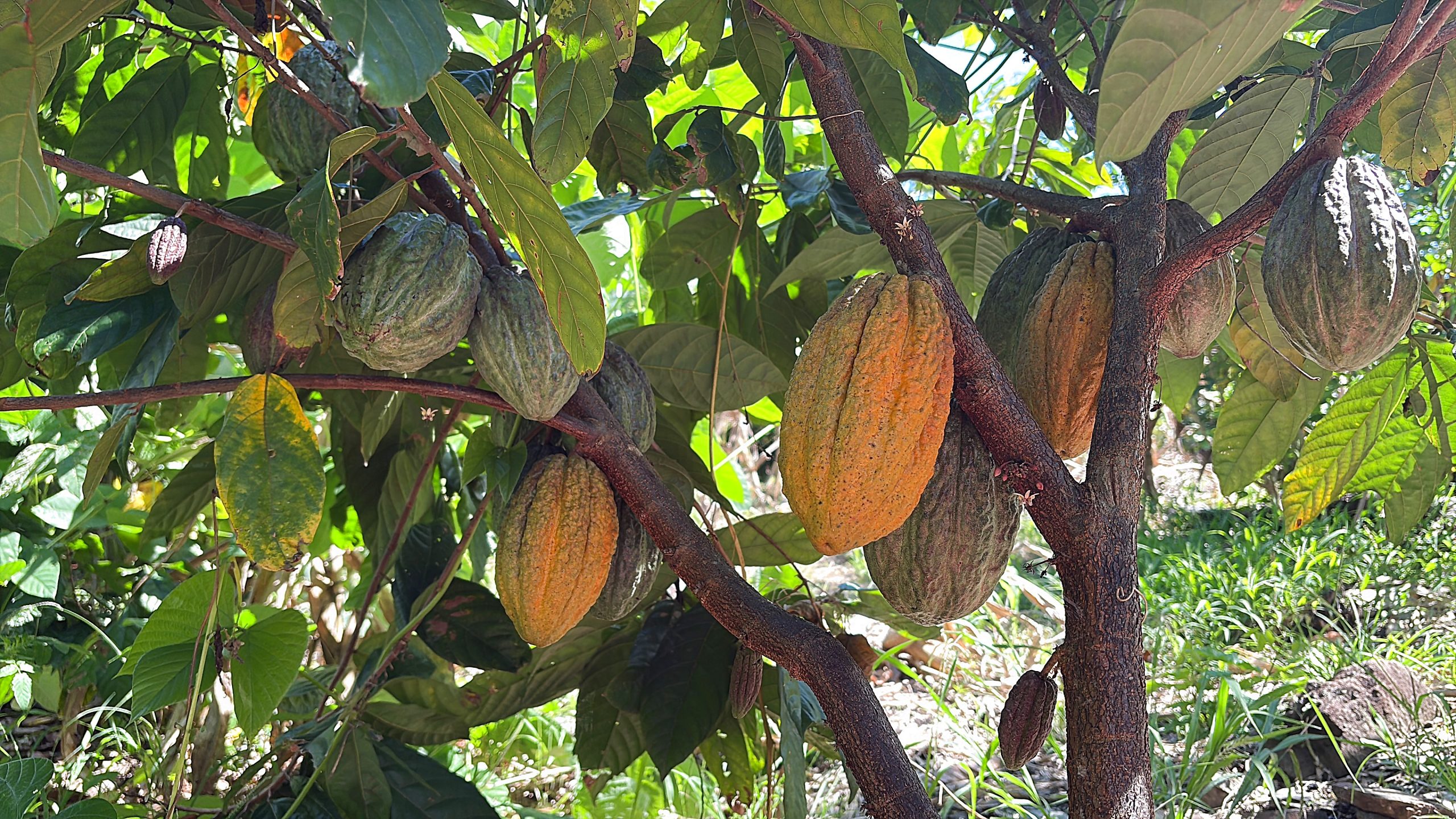
In the La Convención valley, high in the Cusco jungle, grows a native variety found nowhere else in the world: cacao chuncho. It was first grown by the Machiguenga native community long before the outside world knew about it, and today it’s considered one of the finest cacaos on the planet.
What makes chuncho special is its taste. Experts describe its flavor as notes of red berries like strawberry and raspberry, soft caramel, delicate spice, and a long, nutty finish — with low acidity and a naturally smooth, buttery texture. It’s the kind of complexity chocolate makers search the world for. In 2026, chuncho cacao from Cusco won two gold medals at an international chocolate competition in Paris.
Taste this history yourself
Reading about cacao is one thing — meeting the people who grow it is another. At Cocla Tours, we take you directly to family farms in La Convención, Cusco, where local producers, part of the COCLA cooperative, still grow chuncho cacao using traditional, organic methods.
On this experience, you’ll walk through the cacao trees, harvest the pods yourself, and make your own chocolate from scratch — tasting those same notes of red berries and caramel that connect you to one of the rarest and most prized cacao varieties in the world, grown right here in the mountains of Cusco.
Sources
- Ministerio de Desarrollo Agrario y Riego (MIDAGRI) — export and production statistics, cacao genetic diversity
- Cámara Peruana del Café y Cacao (camcafeperu.com.pe) — 2024 trade figures
- Theobroma Cacao — cacao chuncho flavor profile, fine-flavor cacao data, regional production zones
- Agraria.pe / Caretas / Infobae — Huaca Montegrande archaeological findings (Jaén, Cajamarca), led by archaeologist Quirino Olivera
- Scientific Reports (2024 study, 23 international researchers) — cacao domestication origins in the Amazon
- Agraria.pe — K’ampaq / Cooperativa Alto Urubamba, 2026 Paris chocolate awards