

Sacsayhuamán: A Complete Guide to Cusco’s Inca Fortress
: Monday, 25 August, 2025 | BlogSacsayhuamán: A Complete Guide to Cusco’s Inca Fortress
Perched just 2 km north of Cusco’s historic center, Sacsayhuamán is an awe-inspiring example of Inca engineering and ceremonial design. Its monumental zigzag walls, fitted with incredible precision, highlight the architectural brilliance of the Inca civilization and their spiritual connection to the landscape.
Constructed in the 15th century under the leadership of Pachacútec and completed by his successors, this monumental complex served as both a strategic stronghold and a sacred center. Designated a National Cultural Heritage site, Sacsayhuamán continues to command both historical reverence and modern-day fascination—a symbolic triumph of Inca achievement.
History of Sacsayhuamán
Sacsayhuamán—known in Quechua as “satisfied hawk”—was originally consecrated as the “House of the Sun of Hanan Cusco.” Its construction began during the reign of Sapa Inca Pachacútec and continued under his successors, such as Túpac Inca Yupanqui and Huayna Cápac, reflecting decades of imperial vision. The site’s monumental scale, ceremonial significance, and precise craftsmanship earned it recognition under Directorate Resolution No. 829‑2006 as a National Cultural Heritage (CulturaCusco).
Architecture and Highlights
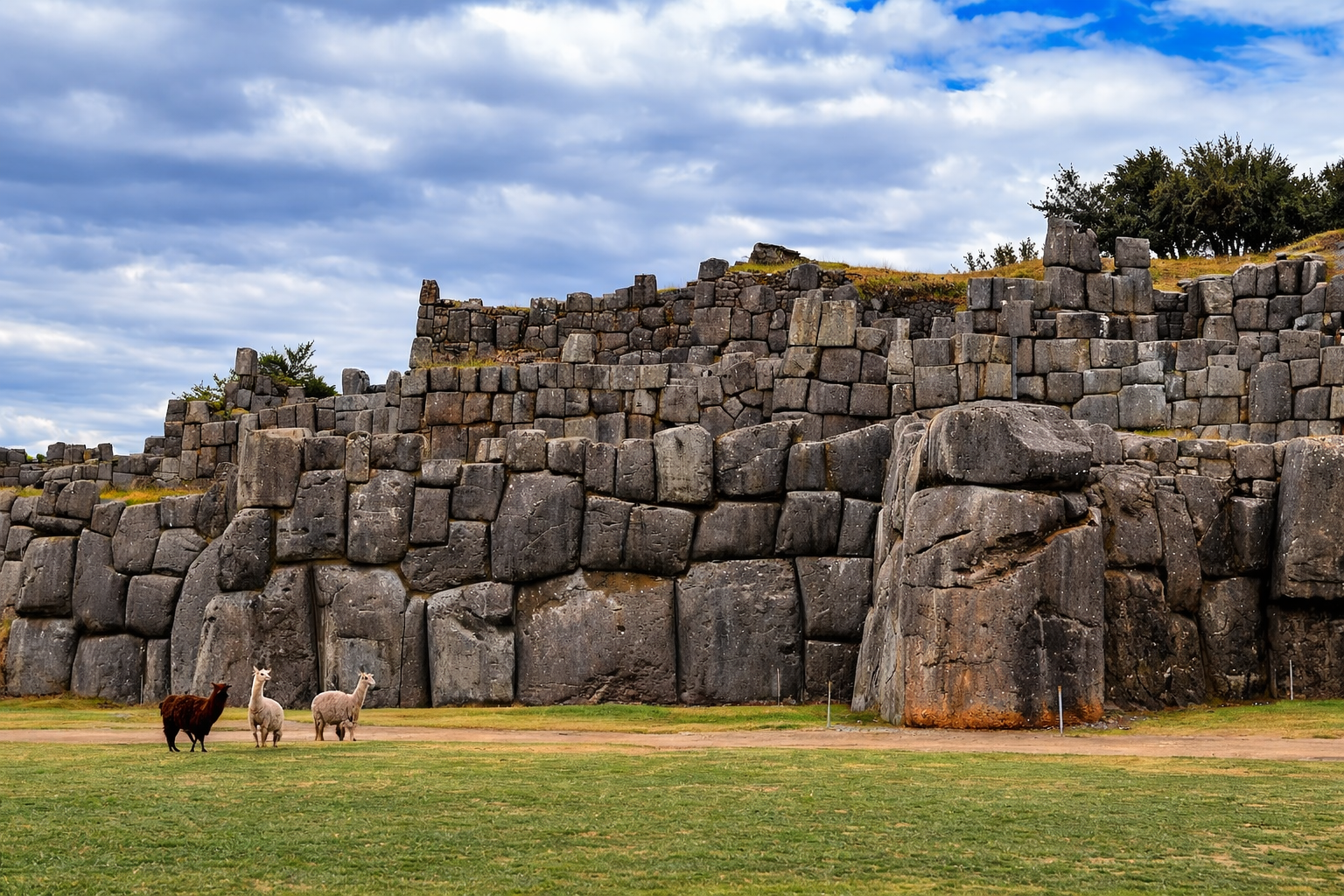
Sacsayhuamán is best known for its monumental zigzagging megalithic walls, composed of massive irregular stones meticulously carved and fitted so precisely that not even a blade of grass can pass between them. These impressive fortifications span over 400 meters in length, stand roughly 5 meters tall, and are built using stones weighing between 90 and 125 tons
Beyond its defensive potential, the fortress blends ceremonial, residential, and utilitarian structures—including towers, aqueducts, and storage areas—harmoniously integrated into the landscape. Its three-tiered terraces and inward-sloping walls not only create a striking visual effect but also enhance seismic resistance, enabling the site to endure centuries of earthquakes
Resting atop the head of what was once a stylized puma—an animal sacred to the Incas—the fortress exemplifies how architecture and spiritual symbolism intertwine in Inca urban design.
Best Time to Visit
- Sacsayhuamán can be visited year-round, but the best time depends on what you want to experience:
- Dry season (May to October) – Clear skies, warmer days, and stunning panoramic views. Ideal for photography and comfortable walking tours.
- Rainy season (November to March) – Fewer crowds and greener landscapes, but pathways can be slippery, so proper footwear is recommended (mincetur.gob.pe).
Key Tips for Visitors
- Opening hours: Daily from 7:00 a.m. to 6:00 p.m. (culturacusco.gob.pe).
- Entrance ticket: Access is included with the Cusco Tourist Ticket (Boleto Turístico), available from the COSITUC official website.
- Altitude: Located at 3,700 meters above sea level, we recommend drinking coca tea or staying hydrated to avoid altitude sickness.
- Guided tours: Booking a certified guide enriches the experience, as many areas hold ceremonial and astronomical significance.
- Packing essentials: Bring sunscreen, a hat, comfortable shoes, and water.
Cultural Significance
- Sacsayhuamán is more than stunning Inca stonework—it is a sacred symbolic stage deeply embedded in Peru’s ancestral and cultural identity.
- Each year, on June 24, the fortress becomes the grandest ceremonial setting for Inti Raymi, the Festival of the Sun. This vibrant reenactment of Inca rituals gathers crowds at Sacsayhuamán, where the main rites, dances, and offerings honor the Sun God with spectacular staging against the backdrop of ancient walls. The celebration highlights the fortress’s enduring role in reflecting the Inca worldview and spiritual legacy.
- Additionally, in September, Sacsayhuamán hosts the traditional Warachikuy—a coming-of-age ceremony where young men undertake physical and moral trials, symbolizing transition to adulthood. This ritual, officially recognized as part of Peru’s national identity, continues the site’s legacy as a place of cultural passage and identity reaffirmation
How to Get There
- Sacsayhuamán is located just 2 kilometers north of Cusco’s Main Square, perched at approximately 3,700 meters above sea level. Visitors can reach the archaeological site using several convenient options:
- On Foot: A scenic but steep walk of about 30–45 minutes follows Suecia Street, passing through San Blas and Resbalosa Street toward the Inca Route. The view from the hill before reaching the entrance offers a riveting panorama of Cusco.
- By Car or Taxi: A direct ride from Plaza de Armas takes around 10 minutes. It’s a quick and effortless way, especially useful for travelers seeking comfort or avoiding altitude effects.
- Via City Tour: Included in most shared or private City Tours, with transportation and access covered by the Cusco Tourist Ticket (Boleto Turístico). This is often the most efficient and hassle-free option.
Tips for Visitors
- Entrance ticket: Access to Sacsayhuamán is included in the Cusco Tourist Ticket (Boleto Turístico)—a multi-site ticket that covers key archaeological attractions in and around Cusco (Circuit I includes Sacsayhuamán, Qenqo, Puka Pukara, and Tambomachay) .
- Opening hours: The site is open daily, typically from 8:00 a.m. to 5:30 p.m.
- Weather considerations: Due to its open esplanade location, Sacsayhuamán is often windy—especially in the afternoon. Carry a windbreaker and dress in layers, even on sunny days
- Altitude precaution: Situated at approximately 3,700 meters above sea level, visitors are encouraged to stay hydrated, consider coca tea, or allow acclimatization time in Cusco to help avoid altitude sickness.
- Respect the site: Sacsayhuamán is a protected cultural landmark. Feeding animals, littering, camping, or riding bikes or horses across the archaeological grounds are prohibited
Nearby Attractions
- Explore more of Cusco’s ancient heritage by visiting these nearby archaeological sites—easily accessible from Sacsayhuamán:
- Qorikancha – Temple of the Sun
Just a short walk downhill toward the city center, Qorikancha was the holiest temple of the Inca Empire, dedicated to the Sun God. Its perfectly aligned stone masonry and later transformation under colonial structures reflect a blend of spiritual and architectural history. The entrance is often included in the Cusco Tourist Ticket (Boleto Turístico). - Qenqo
Located nearby on rocky terrain, Qenqo served as a ceremonial site featuring carved amphitheaters and symbolic pathways. It holds spiritual significance in Inca rituals and is part of the same tourist circuit as Sacsayhuamán. - Puka Pukara (“Red Fortress”)
This tower and terrace complex near Sacsayhuamán earned its name from the reddish stone tint found here. It likely functioned as a guard post or military checkpoint overseeing access routes to Cusco. - Tambomachay (“Baths of the Inca”)
Known for its refined water channels and aqueducts, Tambomachay was a ceremonial bathing site dedicated to water worship. Its beauty and tranquility make it a fitting complement to the grandeur of Sacsayhuamán. - Cusco Cathedral and Plaza de Armas
While not far in archaeological terms, the Cusco Cathedral and surrounding main square are culturally essential. The Cathedral showcases colonial art, baroque architecture, and stands atop the Inca palace of Viracocha—offering a contrasting yet harmonious perspective to the Inca ruins visited on the City Tour.
Frequently Asked Questions (FAQs)
- What is Sacsayhuamán?: Sacsayhuamán is an ancient Inca ceremonial complex and fortress located atop a hill overlooking Cusco. Its most striking feature is the precise, zigzagging stone walls crafted from massive, interlocking stones—some weighing up to 125 tons. The site also includes terraces, tower bases, water channels, and ceremonial plazas
- Where is it located?: The site is just about 2 km north of Cusco’s Main Square, at an elevation of approximately 3,700 meters (12,100 feet) above sea level.
- How do I get to Sacsayhuamán? You can easily reach it by:
- Walking (30–45 minutes) via scenic uphill paths,
- Taking a 10-minute taxi ride from downtown,
-
Joining a Cusco City Tour, which includes transportation and ticket access.
- What is the entrance fee? Entry to Sacsayhuamán is included in the Cusco Tourist Ticket (Boleto Turístico). A full ticket costs S/130 soles (USD 40 ) and is valid for 10 days, granting access to multiple sites, including Sacsayhuamán, Qenqo, Puka Pukara, and Tambomachay.
- What are the opening hours?: The fortress is open daily, from 8:00 AM to 5:00 PM. These hours can vary slightly depending on the season, so confirm before visiting.
- Do I need a guide to visit? While not mandatory, hiring a guide enriches your visit with historical context, architectural insights, and cultural storytelling.
- What is the best time to visit? Visit during the dry season (May–September) for clear skies and comfortable weather. Arriving early in the morning or after midday helps avoid crowds.
- Is Sacsayhuamán worth a visit?: Absolutely—Sacsayhuamán is an archaeological gem, offering breathtaking architecture, fascinating history, and spectacular views of Cusco.
For more official information on archaeology and heritage management, visit the [CulturaCusco site]