

Cusco Travel Guide: Everything to Know Before You Go
: Saturday, 19 September, 2026 | Blog- Cusco isn’t just a stop on the way to Machu Picchu; it’s a destination in its own right. Travel + Leisure readers recently named it the best city in Central and South America, and the Peruvian government has awarded the historic center its highest possible tourism distinction. Whether this is your first trip to Peru or your third, here’s what to know before you land.
A City Built to Last
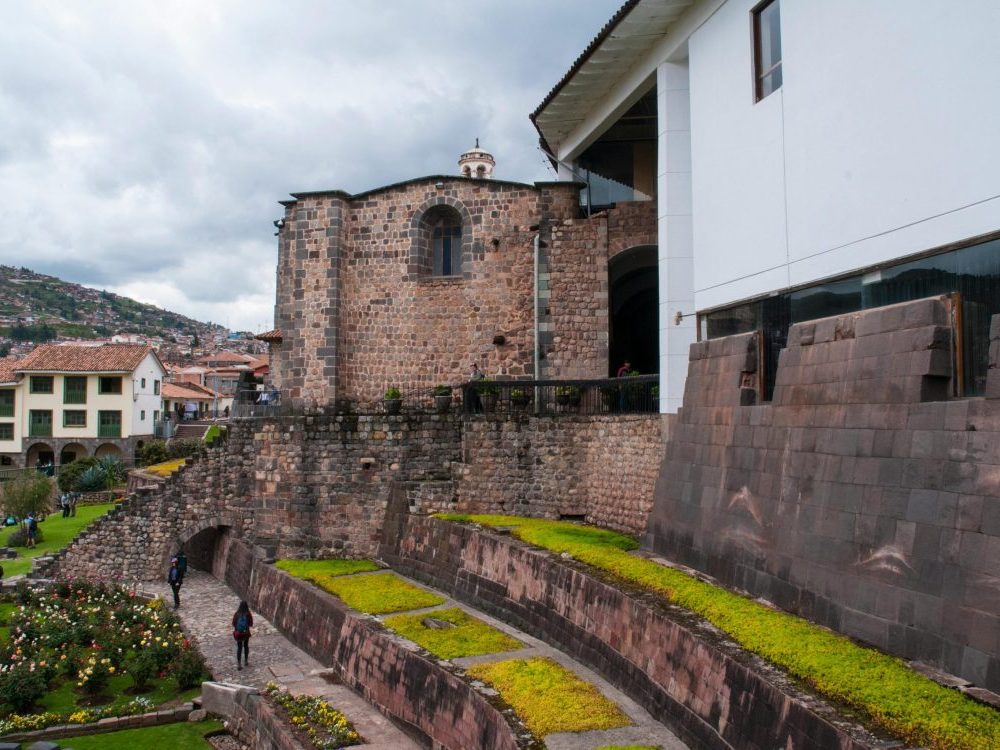
- Cusco sits in a fertile valley in the heart of the Peruvian Andes, and under the Inca ruler Pachacutec in the 15th century, it was redesigned into a complex urban center with distinct religious and administrative functions, becoming the capital of the Inca Empire. When the Spanish conquered the city in the 16th century, they preserved its basic structure but built Baroque churches and palaces over the ruins of the Inca city, which is why walking through Cusco today means walking through two civilizations at once. UNESCO inscribed the city as a World Heritage Site in 1983, recognizing it as a unique testimony to Inca civilization and to the fusion of Inca and Spanish cultures. Peru’s Ministry of Foreign Trade and Tourism recently went a step further, awarding Cusco’s historic center its Jerarquía 4 distinction — the highest ranking the state gives to destinations of exceptional value, authenticity, and international relevance.
When to Visit
- Cusco has two clear seasons. The dry season (May to October) brings clear skies and stable weather — ideal for trekking and visiting Machu Picchu, though June through August is peak season, with more crowds and higher prices. The rainy season (November to April) means greener landscapes, fewer tourists, and occasional disruptions to hiking routes. March, April, October, and November offer a good middle ground: decent weather without the crowds.
Altitude: What to Expect
- At roughly 3,400 meters (11,150 feet) above sea level, Cusco’s thin air catches most first-time visitors off guard. Headaches, fatigue, and shortness of breath are common in the first day or two. The fix is simple: take your first day slow, stay hydrated, skip the alcohol, and try coca tea, a local remedy available in nearly every hotel and café. If you’re planning a trek to higher elevations, spend a few extra days acclimatizing in Cusco first.
How Many Days You Need
- Peru’s regional tourism plan organizes the Cusco region into six official tourism development zones: the city of Cusco itself, the Sacred Valley, Machu Picchu–Choquequirao–Vilcabamba, the Valle Sur (South Valley), the Apurímac River area, and Manu. A trip focused just on the city and Machu Picchu needs at least 5 days, enough for a proper first day or two of altitude acclimatization before you start moving. Add the Sacred Valley or a coffee farm experience in the jungle, and plan for 6 to 7 days total.
Beyond Machu Picchu
- Machu Picchu gets the headlines, but it’s far from the only reason to come — and Cusco’s tourism offer keeps growing beyond the classics. Most of these can be done as part of a group tour or booked privately, depending on your pace and budget.
- History runs deeper than the Incas. Tipón showcases an Inca hydraulic engineering system still functioning today, and Pikillaqta preserves the urban planning of the pre-Inca Wari culture. Further out, in the province of Canas, the Q’eswachaka bridge is the last surviving Inca rope bridge in the world — rebuilt by hand every June by local Quechua communities using centuries-old techniques, a tradition UNESCO recognized as Intangible Cultural Heritage in 2013. And for travelers who’ve already done the popular routes, Waqrapukara — a dramatic archaeological site perched on a cliff edge shaped like a pair of horns — has become one of the region’s most talked-about alternatives for something further off the beaten path.
- Nature has its own circuit, too. Rainbow Mountain (Vinicunca) and Humantay Lake are the best known, but the Siete Lagunas de Ausangate, a trekking route past seven glacial lakes of different colors, with natural hot springs along the way, is quickly becoming a favorite for travelers who want mountain scenery without the crowds.
- And then there’s the valley itself, grown, not built. La Convención, the jungle province just a few hours from Cusco, is home to some of the highest-altitude specialty coffee in Peru, along with native cacao, both farmed organically by small family cooperatives. But coffee and cacao are just the beginning of what this corner of the Cusco jungle has to offer: the province is also home to dramatic waterfalls, the Pongo de Mainique — a sacred canyon carved by the Urubamba River, and the Megantoni National Sanctuary, one of the most biodiverse protected areas in Peru, where the Andean cock-of-the-rock (Peru’s national bird) can be spotted in its natural habitat. It’s also a natural place to recover from the altitude: Quillabamba, the province’s main town, often called the “city of eternal summer”, sits at around 1,050 meters (3,450 feet), a welcome drop in elevation if Cusco’s thin air has been wearing on you. The overland route runs through the Sacred Valley and over the Abra Málaga pass, taking roughly 5 to 6 hours by road.
- There’s also a deeper story behind every cup grown here. In the mid-20th century, La Convención was the birthplace of Peru’s first agrarian cooperative movement, as coffee-farming families organized into unions and, eventually, cooperatives to gain fair access to the land they worked. That organizing became a defining chapter in the country’s agrarian history, reshaping land ownership in the valley years before national land reform followed in the 1970s. The cooperative tradition that grew out of that period, COCLA (Central de Cooperativas Agrarias Cafetaleras), among them, still organizes many of the family farms you’ll visit today, connecting small growers to fair-trade and organic certification. It’s a living piece of social history as much as an agricultural one, and it’s part of what makes this valley worth understanding, not just visiting.
- Coffee and cacao farm tours have become increasingly popular in recent years, with more and more agencies now offering them — but at Cocla Tours, this is where we started: we’ve spent years building relationships with these growing families long before it became a trend, helping them market their harvest and share their work directly with travelers. Spending a day (or two) on a coffee or cacao farm here means harvesting, processing, and tasting alongside the people who actually grow it — a very different rhythm from a bus tour of ruins.
Practical Info: Hours and Tickets
- Most archaeological parks in the region open at 7:00 am, with closing times varying by site — Saqsaywaman and Moray stay open into the evening (5:00–5:30 pm), while Ollantaytambo, Pisaq, Tipón, and Pikillaqta close at 4:30 pm. Always buy your Machu Picchu tickets through the official government portal (tuboleto.cultura.pe) rather than third-party resellers, and keep in mind that access now runs on a system of timed circuits with daily visitor limits — see our full guide to Machu Picchu circuits, tickets, and expert tips for everything you need to book with confidence.
- Getting to Machu Picchu by train is handled by two operators, PeruRail and Inca Rail, both departing from Cusco (via a bus-and-train combo) or directly from Ollantaytambo. The bimodal bus-and-train service from Cusco utilizes Pachar station as a transfer point for select schedules — worth confirming with your ticket or operator before travel day.
Choosing a Safe, Certified Operator
- Cusco’s tourism sector is large, and, as in any high-demand market, not every operator is equally reliable. The Peruvian government’s Safe Travels certification recognizes tour agencies, hotels, and guides that meet international health and safety standards; the Cusco region alone has over 150 certified travel agencies and nearly 1,900 certified official tour guides. When booking, look for operators with this certification, official MINCETUR registration, and verifiable reviews.
What to Pack
- Weather in Cusco can shift within a single day. Pack in layers: a T-shirt, a warm mid-layer, and a windproof or rain jacket, along with sunscreen, sunglasses, a reusable water bottle, and comfortable walking shoes.
Money and Safety
- The local currency is the Peruvian Sol (PEN). We recommend carrying S/100–200 in small bills (10s and 20s) for everyday spending, since rural towns and small shops rarely accept cards. Keep an eye on your belongings in crowded spots like the Plaza de Armas and San Pedro Market, where pickpocketing can occur, and feel free to firmly (but politely) decline unsolicited tours or photo requests from street vendors.
Need Help Planning?
- For free, official travel assistance, Peru’s tourism board runs iPerú, a 24-hour information service for visitors — reachable by phone or WhatsApp. And whatever your Cusco itinerary looks like, Machu Picchu, the Sacred Valley, a trek, or anything in between, Cocla Tours can help you plan it. It’s also where we happen to specialize: as pioneers in coffee, cacao, and tea tourism in the region, we can build a farm experience into your trip as a day, a couple of days, or the heart of the whole itinerary.
Sources
- UNESCO World Heritage Centre
- Peru’s Ministry of Foreign Trade and Tourism (MINCETUR)
- Peru’s Ministry of Culture (Dirección Desconcentrada de Cultura Cusco)